Kidan Medical is a family medicine and primary care practice serving Indianapolis and the surrounding Central Indiana communities through house calls, in-home visits, and telemedicine.
Most primary care is built for the patient who can drive to an office and sit in a waiting room. We're built for the patients that model leaves behind, and for the moments when getting to a clinic is hardest.
The days right after discharge are when patients are most likely to be readmitted. We see patients quickly at home, reconcile every medication, and coordinate with the discharging team.
Diabetes, hypertension, heart failure, and thyroid disease need steady, between-visit attention, not a rushed appointment every few months. We manage these conditions closely, including remote monitoring where it helps.
average reduction in total cost of care per patient per year, found in a 2025 study of Medicare patients on remote monitoring
"The Impact of a Remote Patient Care Program on Health Care Costs and Utilization Among Medicare Patients With Chronic Disease," 2025 (5,872 monitored patients vs. matched controls). Published research, not Kidan Medical's own outcomes data.
Depression, anxiety, and cognitive changes are screened and treated as part of regular care, not sent off to a separate appointment weeks away.
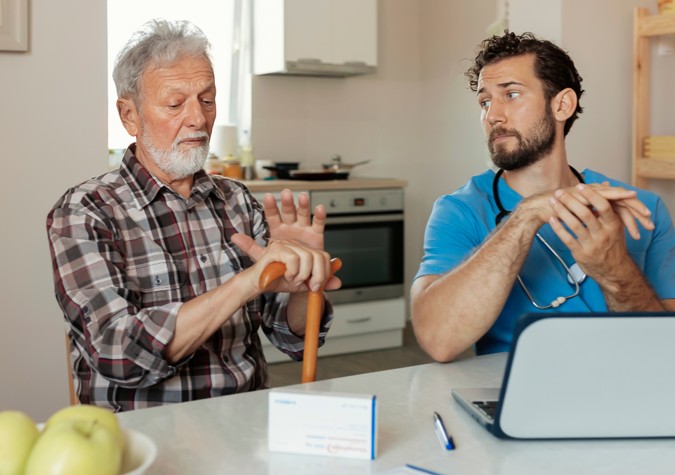
For older adults and anyone for whom leaving home is a burden, we bring full primary care, and the diagnostics that usually require a facility, directly to the living room.
Every visit is full-depth primary care, whether you're on a video call or we're at your door with vitals monitoring, diagnostic tools, and treatment supplies in hand. Being seen at home or by video never means being seen with less.
Two ideas drive how we practice: catch problems before they become emergencies, and when you do need us, meet you where you are.
If you're the one keeping track of a parent's medications, appointments, and worries from a distance, our model is built around you too, not just the patient in front of us.
With your parent's permission, we loop you in on what matters: medication changes, new diagnoses, or a visit that didn't go as planned. You shouldn't have to guess how they're really doing.
No arranging rides, no taking time off work to sit in a waiting room. We come to them, so you're not the one holding the whole system together.
Getting a reluctant parent to a doctor's office can be its own battle. When care comes to them instead, there's no appointment to talk them into and no waiting room to dread, which usually means less pushback and more visits that actually happen.

A comprehensive range of family medicine, primary care, and specialty services, delivered by telehealth video visit or in your home across the Indianapolis area, backed by a clinical model built to grow.
Kidan Medical is built around unhurried 30–40 minute visits, not a rushed slot on a packed schedule. That means real time for diagnostic depth, from a provider who actually knows your community.
We treat the whole person, not just the presenting issue. Your lab results, medical history, lifestyle, and daily routine are all part of the picture. That holistic view is what lets us give recommendations that are specific to you, not drawn from a general protocol.
When care beyond our scope is warranted, we refer you to trusted specialists across Indianapolis and stay involved: sharing your records in advance, following up on outcomes, and keeping your care coordinated. You are not navigating the system alone.
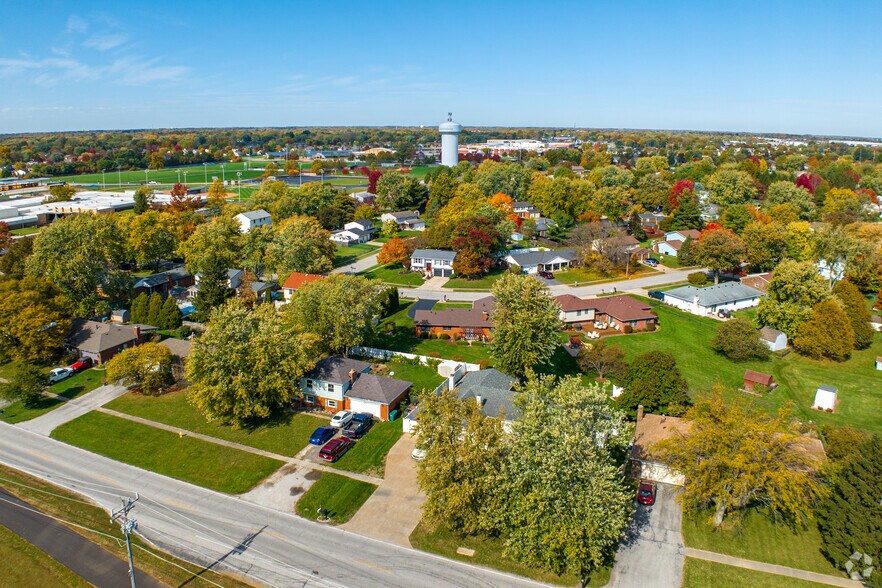
Kidan Medical isn't limited to Indianapolis proper. Our home-visit and telehealth model reaches communities throughout Central Indiana, so distance is never the reason someone goes without care.
Use your insurance as you normally would, or join our Direct Primary Care membership: a flat monthly rate, no copays, no deductibles.










If we've seen you, we'd appreciate a review. It helps other Indianapolis families find us.
Insurance, scheduling, what a visit looks like: we've answered the questions we hear most.
See All FAQsKidan Medical starts in the home, in Indiana. The larger aim is to help bring back the house-call model: a way of caring for people that was largely abandoned because of logistical and economic pressures, not because it was worse for patients.
By solving the practical problems that made house calls hard to sustain, we want home-based care to become a genuine, lasting alternative to brick-and-mortar institutions weighed down by administrative overhead and facility costs, so patients have a real choice in how and where they receive care.